Play synopsis
Why is the mirror distorted?
A lyrical, non-linear journey through memory and identity, Jismaan Ton Paar follows Arjoon, a trans man, as he navigates the tumultuous landscape of his own life.
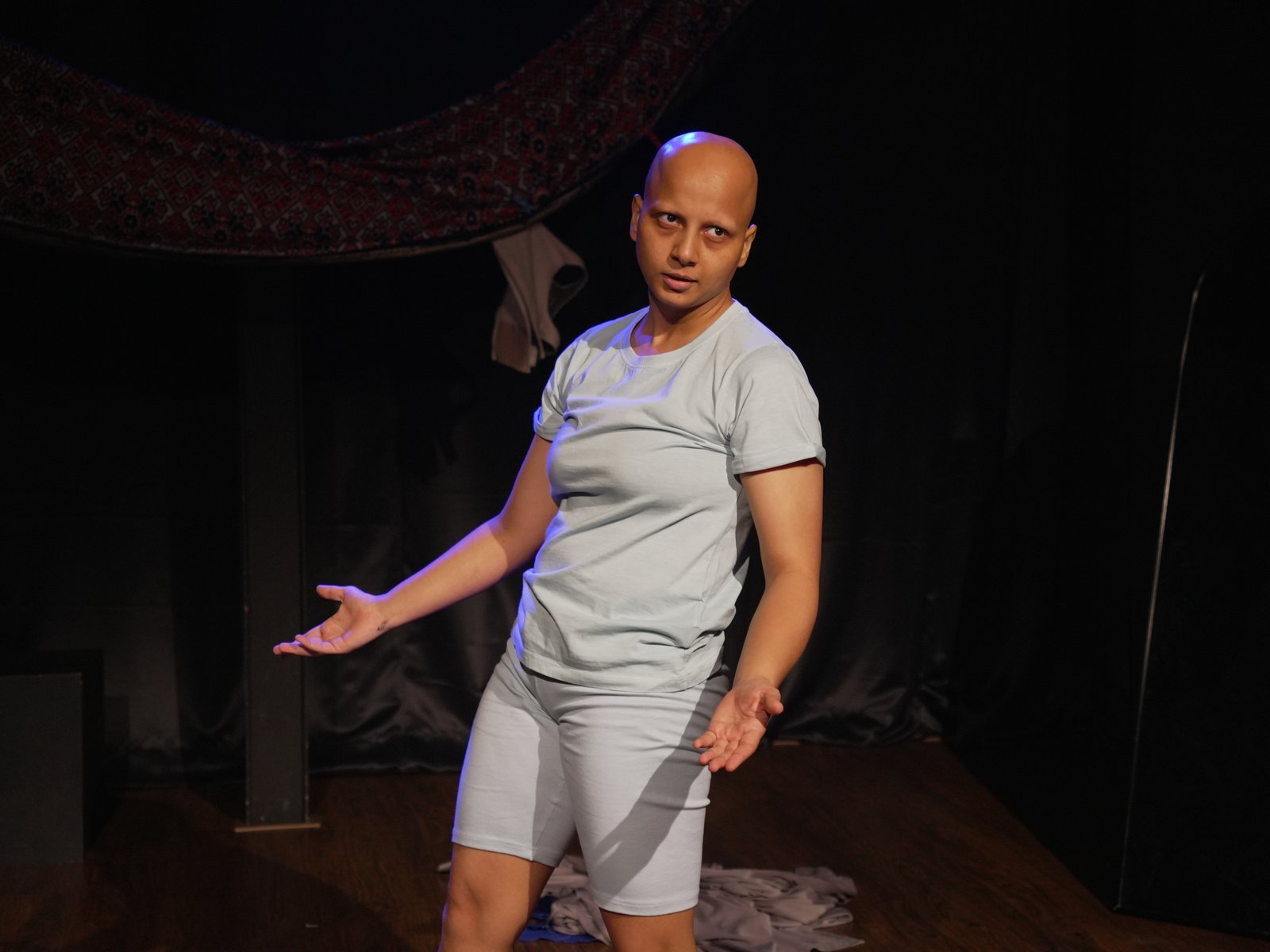
Jismaan Ton Paar (Beyond the Body) is a semi-autobiographical solo performance that follows Arjoon, a trans man, as he searches through memory, remembering, forgetting, questioning, and fact-checking the moments that have shaped his understanding of himself. Moving fluidly between childhood, adolescence, and the present, the performance unfolds non-linearly, much like life itself, where memories rarely arrive in sequence and meaning often emerges only through revisiting them.
Click here for the extended synopsis
Jismaan Ton Paar (Beyond the Body) is a semi-autobiographical solo performance that follows Arjoon, a trans man, as he searches through memory, remembering, forgetting, questioning, and fact-checking the moments that have shaped his understanding of himself. Moving fluidly between childhood, adolescence, and the present, the performance unfolds non-linearly, much like life itself, where memories rarely arrive in sequence and meaning often emerges only through revisiting them.
As fragments of his life surface, Arjoon navigates childhood dreams, family expectations, friendships, dysphoria, bureaucracy, public spaces, love, and the quiet negotiations required simply to exist. The performance repeatedly returns to moments that refuse to settle, suggesting that life does not resolve itself in a single step but revisits us until we have changed enough to meet it differently.
Threaded throughout are recurring images that become emotional landmarks rather than literal events. Arjoon keeps running away from the mirror while searching for a bird that remains just out of reach. He dreams of becoming the sky, forever changing, never the same twice, yet always accepted and admired for its transformations. He longs to wear a tuxedo without dysphoria, imagines himself as the hero he grew up watching on screen, and wrestles with the desire to "be a man" while questioning what masculinity demands of those who inhabit it. The play continually returns to the idea that the self is both lost and found, again and again.
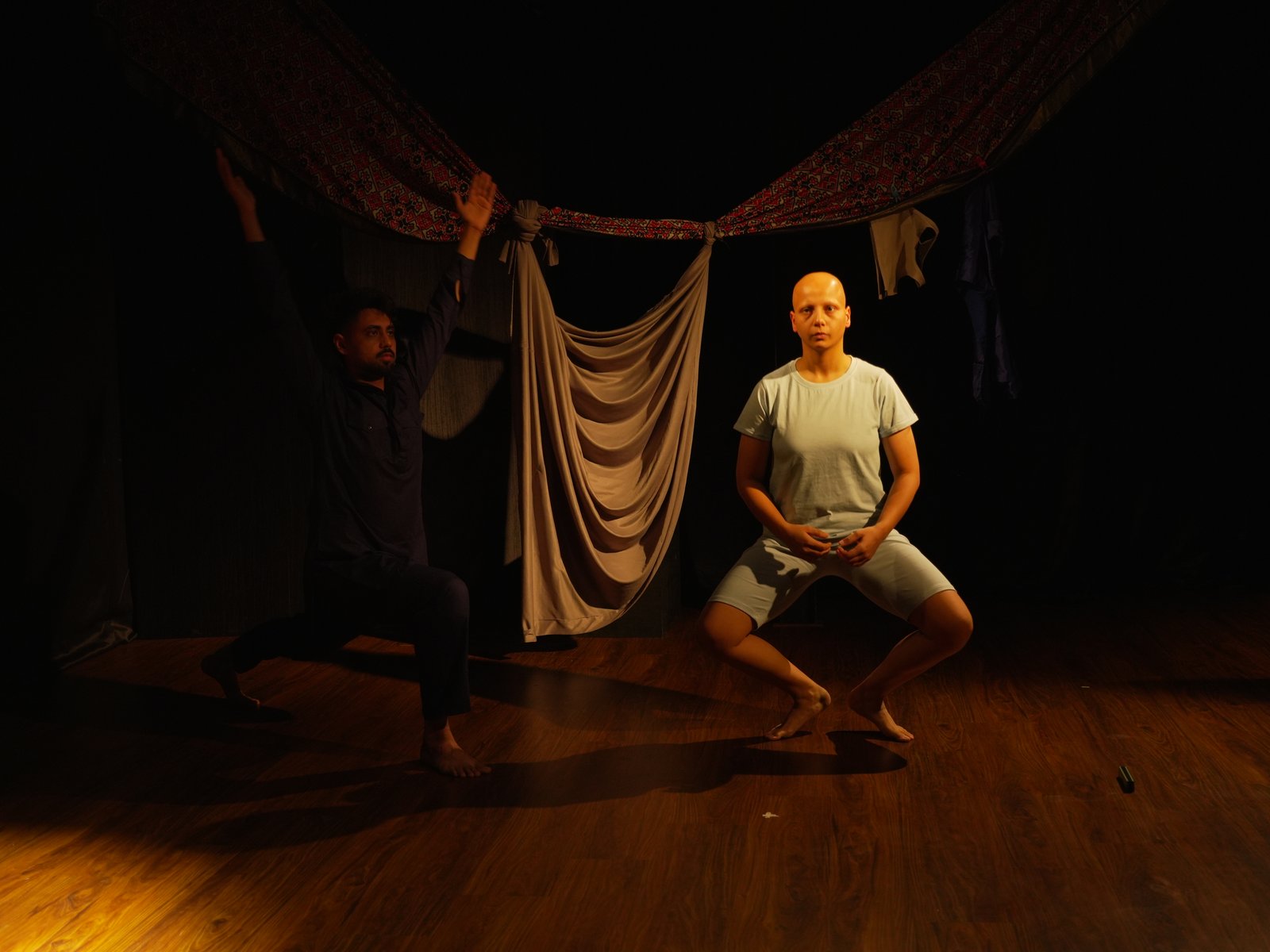
Blending storytelling, movement, live music, poetry, humour, and direct audience interaction, Jismaan Ton Paar embraces contradiction. Recurring musical motifs echo the cyclical nature of memory and growth, allowing ideas and emotions to return in new forms throughout the performance. Some truths are spoken plainly in all their brutality, some emerge through metaphor, and others quietly hide beneath laughter, waiting to reveal themselves long after the joke has passed.
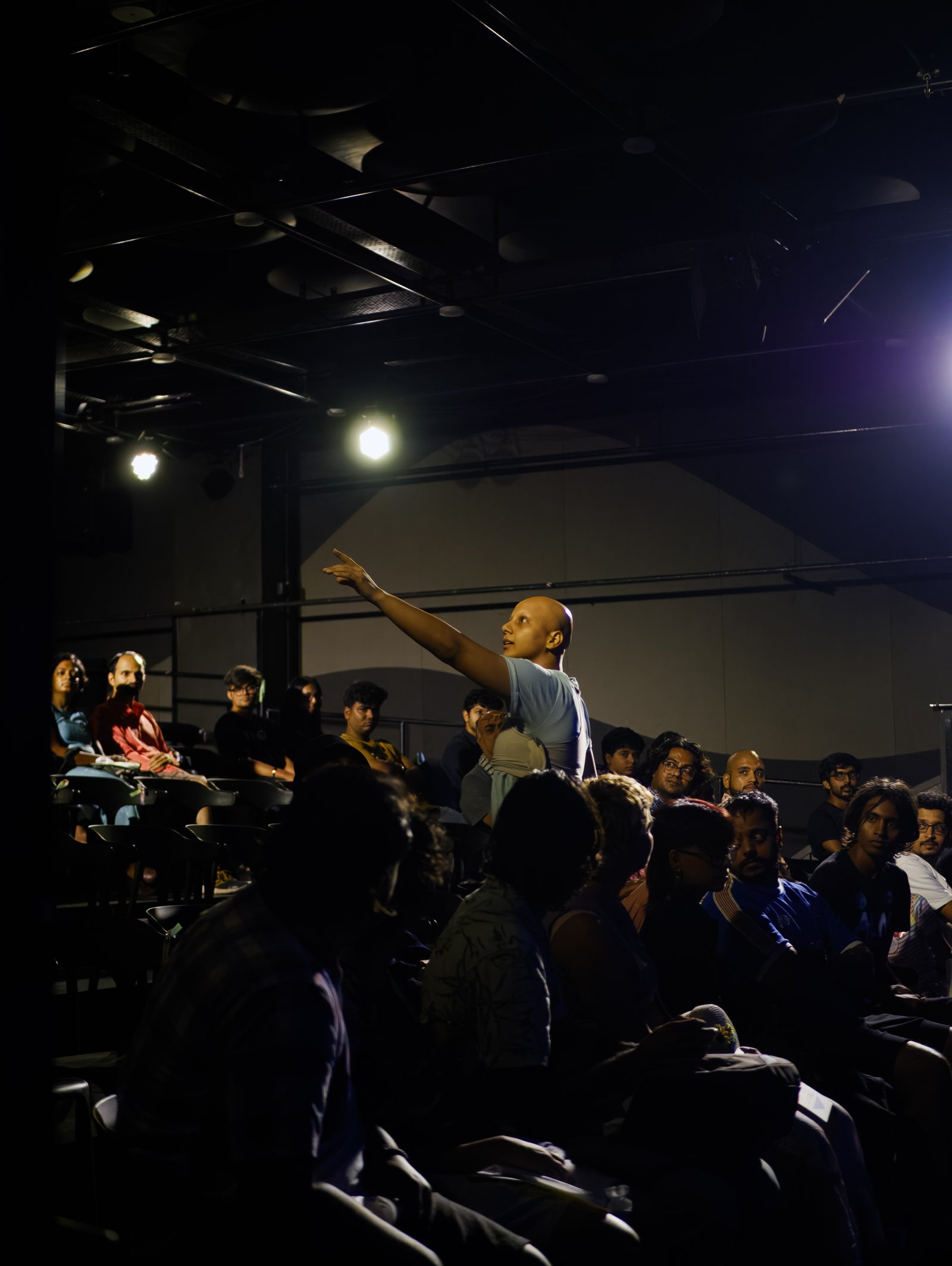
The audience is not a passive observer but an active presence within the performance. Their participation shapes conversations, silences, and moments of reflection, making every performance a unique encounter. Beginning with one trans man's lived experience, the play gradually opens into a broader meditation on identity, masculinity, belonging, compassion, and the human desire to be recognised beyond appearances and labels.
At its heart, Jismaan Ton Paar is not a story about arriving at certainty. It is about continuing to search, to question, to remember, and to become. It invites audiences to inhabit uncertainty with curiosity and tenderness, recognising that the journey beyond the body is not about escaping it, but about discovering the humanity that has always existed within and beyond it.